Event Management
Ticketmaster
Ticketmaster is the largest ticketing sales and solutions platform worldwide. Venues needed the ability to manage the creation and management of events more effectively. This included yield management, seat inventory allocation, and event sales.
The state of Ticketmaster
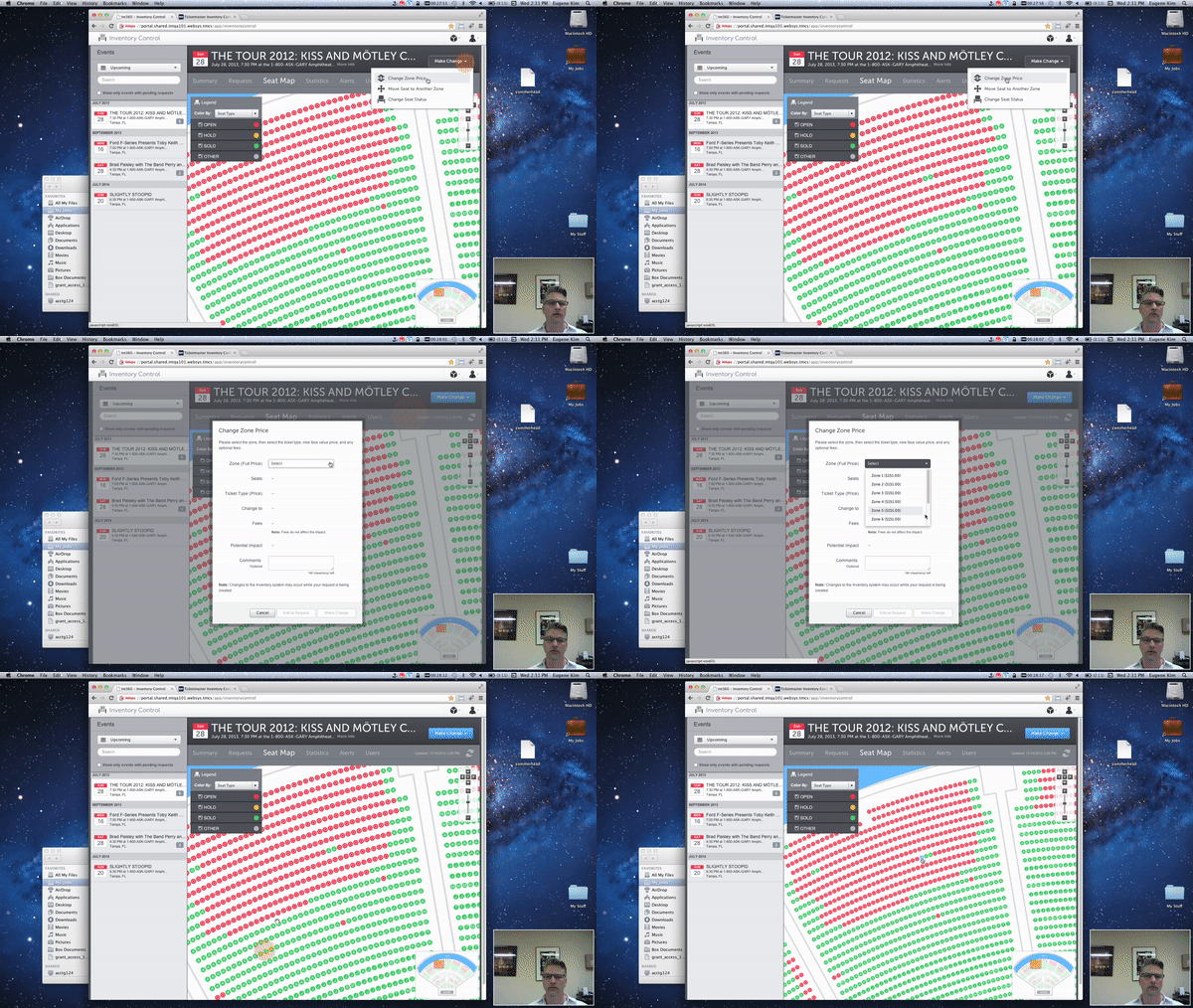
I was brought in to help to rethink and redesign the entire event management client application. This included the ability to forecast show revenue, maage seat pricing and inventory, and accurately manage event details and deals.

Implementing a research strategy
One of the key tools I use to make good design decisions is research. It was important to implement a user-centered culture within the organization.

Empathizing with users
Going out into the field to gain context was a critical starting point. I worked closely with our account managers to identify the right clients and to establish the ongoing relationships we would require.
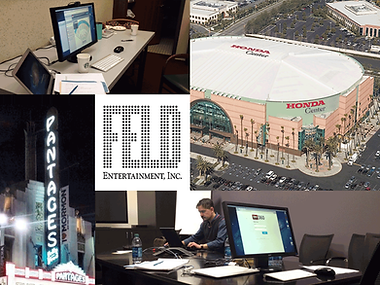
What were we learning?
-
One eye opening example was to see how many different methods box office managers used outside of Ticketmaster's tools:
-
3rd-party tools to draw out a venue's seat map.
-
Manual workflow with documentation and checklists for different responsibilities.
-
3rd-party point-of-sale interface.
-
Separate spreadsheets to manage different sections and prices.
-
Overload of notes and papers for specific direction to window sellers.

Breaking down the data
Through our observations we became aware of all the different touchpoints in the event lifecycle. Working collaboratively with team members we were able to discover themes and gaps in knowledge.

The design process
Based on the research and my discussions product owners, I would consider multiple versions of features based on the different users or contexts. These could be high level designs like application frameworks or small interactions such as page loading behaviors.

Seat selection
Testing our designs
The objective of usability testing was to test our initial designs and flows with roles which we called "processors" and "requestors". We collected quotes, screenshots, and a list of issues that were prioritized according to business and user needs. These were eventually integrated into the requirements and our designs

Learnings and results
These were tools to help users build events faster, track them over time, and to maximize revenue for venues and promoters. This was something that box offices couldn't easily do before. I had the opportunity to speak directly with many clients who were excited to have access to these tools.